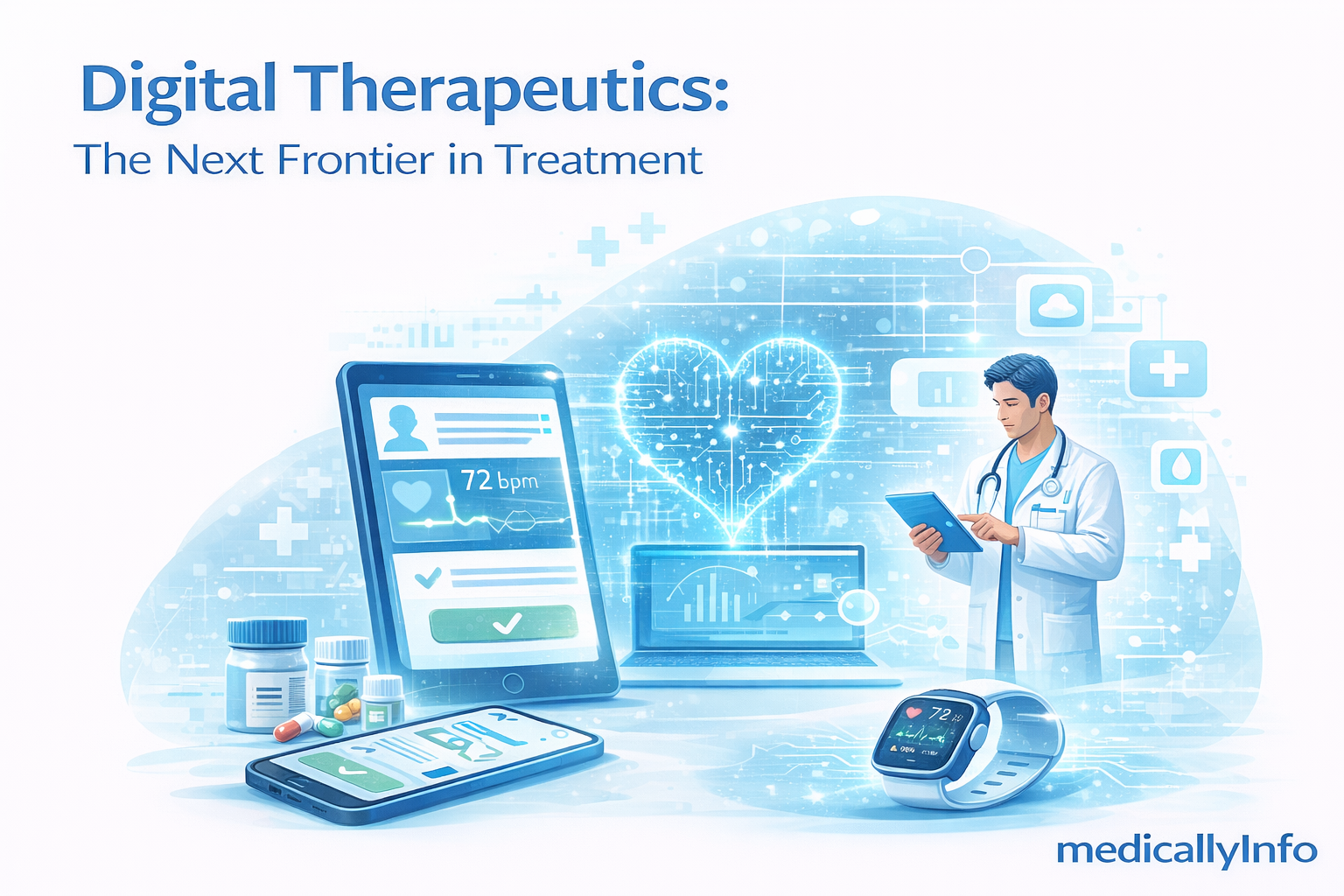
Healthcare is undergoing a rapid transformation as technology becomes more deeply integrated into patient care. Among the most promising innovations is digital therapeutics, often referred to as DTx — a category of evidence-based software designed to prevent, manage, or treat medical conditions. Unlike general wellness apps, digital therapeutics are clinically validated and frequently prescribed by healthcare professionals.
As chronic diseases continue to rise and healthcare systems look for scalable solutions, digital therapeutics are emerging as a powerful tool that blends medicine with technology to improve patient outcomes.
What Are Digital Therapeutics?
Digital therapeutics are software-driven interventions that deliver structured treatment programs to patients. These programs are typically accessed through smartphones, tablets, or computers and are designed to address specific medical conditions using scientifically backed methods.
Many digital therapeutics undergo clinical trials and regulatory review to ensure safety and effectiveness. Some are even cleared by regulatory agencies for use alongside or in place of traditional treatments.
These tools go beyond simple tracking by actively guiding patients through therapy protocols, behavioral changes, and personalized care plans.
How Digital Therapeutics Work
Digital therapeutics use advanced technologies such as artificial intelligence, data analytics, and behavioral science to create individualized treatment experiences. After enrolling in a program, patients often complete assessments that help the software tailor recommendations based on their needs.
For example, a person managing diabetes may receive coaching on nutrition, reminders to stay active, and real-time feedback on glucose patterns. Someone dealing with insomnia might follow a structured cognitive behavioral therapy program designed to improve sleep habits.
Many platforms also allow healthcare providers to monitor patient progress remotely, making it easier to adjust treatment plans when necessary.
Conditions Commonly Treated With Digital Therapeutics
Digital therapeutics are currently being used across a wide range of health conditions, particularly those that benefit from consistent behavioral support.
One of the most established areas is diabetes management. Digital programs can help patients track blood sugar, improve dietary habits, and maintain medication adherence.
Mental health is another major focus. Evidence-based digital therapies are available for conditions such as anxiety, depression, and substance use disorders. These programs often incorporate cognitive behavioral techniques that help users identify negative thought patterns and develop healthier coping strategies.
Digital therapeutics are also showing promise in treating sleep disorders, chronic pain, obesity, ADHD, and cardiovascular disease. As research expands, new applications continue to emerge.
Key Benefits of Digital Therapeutics
One of the biggest advantages of digital therapeutics is accessibility. Patients can engage with treatment anytime and anywhere, removing many of the barriers associated with traditional care, such as travel time or limited appointment availability.
Consistency is another important benefit. Because these programs are available on demand, they encourage ongoing participation — a crucial factor in managing chronic conditions.
Digital therapeutics also promote personalized care. Algorithms analyze user behavior and progress, allowing the program to adapt over time. This tailored approach often leads to stronger engagement and better outcomes.
Cost efficiency is attracting attention as well. By helping prevent complications and reducing hospital visits, digital therapeutics may lower overall healthcare expenses for both patients and providers.
Additionally, these platforms empower patients to take a more active role in their health. When individuals can see measurable progress, they often feel more motivated to maintain healthy habits.
The Role of Artificial Intelligence in Digital Treatment
Artificial intelligence plays a central role in enhancing digital therapeutics. AI can analyze large volumes of patient data, identify patterns, and predict potential risks before they escalate.
For instance, an AI-enabled platform might detect early signs of worsening depression based on user interactions and prompt timely intervention. Similarly, predictive analytics can alert healthcare teams if a patient’s metrics suggest declining disease control.
This proactive approach shifts healthcare from reactive treatment toward prevention.
Digital Therapeutics vs. Health Apps
Although thousands of health apps exist, not all qualify as digital therapeutics. The key difference lies in clinical validation.
Digital therapeutics are supported by scientific research and often developed in collaboration with medical experts. Their effectiveness is typically tested through controlled studies.
In contrast, many wellness apps focus on general lifestyle improvements without meeting rigorous medical standards.
Understanding this distinction is important for patients seeking reliable treatment options.
Challenges and Considerations
Despite their potential, digital therapeutics face several challenges. One concern is data privacy. Because these platforms collect sensitive health information, strong security measures are essential.
Another issue is digital accessibility. Not all patients have equal access to smartphones, reliable internet, or the technical skills required to navigate these tools.
User engagement can also vary. Even the most advanced program is only effective if patients consistently participate.
Regulatory pathways are still evolving as well. Healthcare authorities continue to refine guidelines to ensure these technologies meet safety and efficacy standards.
Finally, digital therapeutics are generally intended to complement — not completely replace — professional medical care.
The Growing Adoption of Prescription Digital Therapeutics
A notable trend is the rise of prescription digital therapeutics, sometimes called PDTs. These are software treatments that healthcare providers formally prescribe, similar to medications.
Prescription digital therapeutics are often integrated into broader care plans and may be eligible for insurance coverage in certain cases. Their adoption reflects increasing confidence in technology-driven treatment models.
Hospitals and healthcare systems are beginning to incorporate these tools into patient care strategies, particularly for long-term disease management.
What the Future Holds
The future of digital therapeutics looks exceptionally promising. Advances in machine learning, wearable technology, and remote monitoring are expected to make these platforms even more effective.
Integration with wearable devices could enable real-time treatment adjustments based on physiological data. Virtual reality may enhance therapies for pain management and mental health. Meanwhile, predictive analytics could help detect illnesses earlier than ever before.
As healthcare continues shifting toward personalized medicine, digital therapeutics are positioned to play a major role.
Are Digital Therapeutics Right for Everyone?
While digital therapeutics offer significant advantages, they may not suit every patient or condition. Individuals with complex medical needs often require direct clinical supervision.
However, for many people — especially those managing chronic illnesses — digital therapeutics can serve as a valuable extension of traditional care.
Consulting a qualified healthcare professional is always the best first step before beginning any new treatment approach.
Final Thoughts
Digital therapeutics represent a meaningful evolution in modern healthcare, combining clinical science with advanced technology to deliver more personalized and accessible treatment. By supporting behavior change, improving disease management, and expanding access to care, these tools have the potential to reshape how treatment is delivered.
Although challenges remain, continued innovation and research are likely to strengthen their role in the healthcare ecosystem. As patients and providers increasingly embrace digital solutions, digital therapeutics may truly become the next frontier in treatment — one where technology helps people live healthier, more informed lives.


