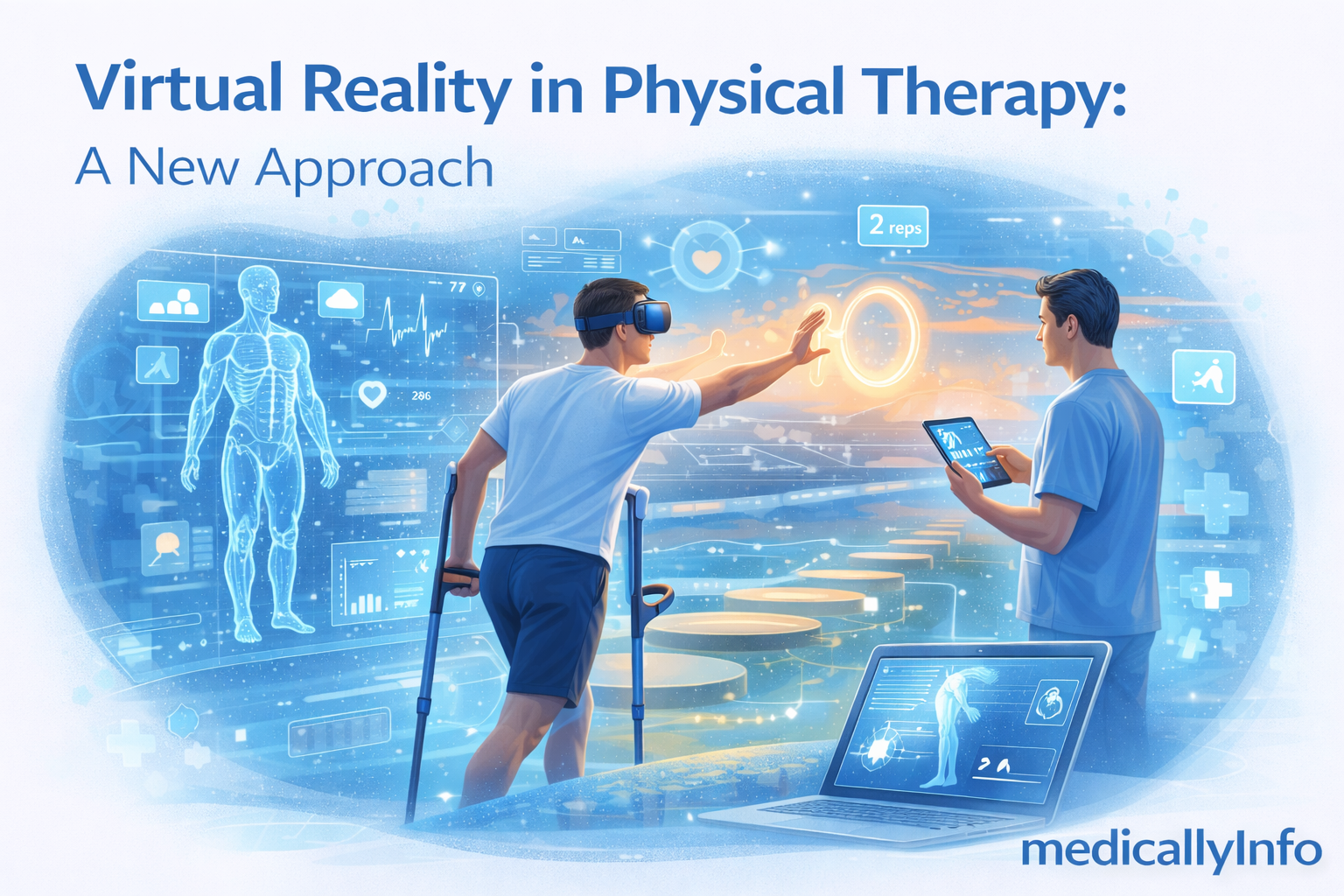
Physical therapy has long relied on hands-on techniques, guided exercises, and patient commitment to achieve recovery goals. While these methods remain effective, new technologies are reshaping how rehabilitation is delivered. One of the most promising innovations is virtual reality (VR), which is transforming physical therapy into a more engaging, personalized, and data-driven experience.
Virtual reality in physical therapy is not about gaming for entertainment. It is a clinically guided approach that uses immersive digital environments to help patients recover mobility, strength, balance, and coordination more effectively.
What Is Virtual Reality in Physical Therapy?
Virtual reality in physical therapy involves the use of computer-generated environments that patients interact with through VR headsets, motion sensors, or specialized screens. These systems allow patients to perform therapeutic exercises within simulated scenarios that respond to their movements in real time.
For example, instead of repeatedly lifting an arm in a clinical setting, a patient may reach for virtual objects or navigate a simulated environment that encourages the same movement patterns. The experience feels more natural and motivating while still serving a medical purpose.
These VR-based therapies are typically supervised by physical therapists and tailored to individual rehabilitation needs.
How Virtual Reality Enhances Rehabilitation
One of the main advantages of VR is immersion. When patients are immersed in a virtual environment, they often become more focused on the task rather than the discomfort or fatigue associated with therapy. This increased engagement can lead to longer participation and better adherence to treatment plans.
Virtual reality also provides immediate feedback. Patients can see how well they are performing movements, adjust posture in real time, and track progress visually. This feedback helps reinforce correct movement patterns and reduces the risk of improper technique.
Additionally, VR systems can adapt difficulty levels automatically. As a patient improves, exercises can become more challenging, ensuring continuous progress without overwhelming the individual.
Conditions That Benefit From VR-Based Physical Therapy
Virtual reality is being used across a wide range of physical therapy applications, particularly where repetition and coordination are essential.
Stroke rehabilitation is one of the most studied areas. VR exercises can help patients regain motor control, balance, and coordination by encouraging repetitive, goal-oriented movements.
Patients recovering from orthopedic injuries such as knee replacements, shoulder surgery, or fractures may also benefit. VR-based therapy can support range-of-motion exercises and strength training in a controlled and motivating environment.
Balance disorders and fall prevention programs increasingly use VR to simulate real-world scenarios safely. Patients can practice navigating uneven surfaces or crowded environments without actual risk.
Chronic pain management is another area of interest. By shifting attention away from pain and promoting gradual movement, VR may help reduce pain perception while encouraging physical activity.
Benefits of Virtual Reality in Physical Therapy
One of the biggest advantages of VR-based therapy is increased patient motivation. Traditional rehabilitation exercises can become repetitive and discouraging, especially during long recovery periods. Virtual environments introduce variety and purpose, making therapy sessions feel more engaging.
Personalization is another key benefit. VR programs can be customized based on a patient’s age, mobility level, and recovery goals. This tailored approach supports more effective rehabilitation outcomes.
Virtual reality also allows for objective data collection. Therapists can track movement accuracy, range of motion, reaction time, and progress over time. This data-driven insight helps clinicians make informed decisions about treatment adjustments.
Remote rehabilitation is becoming increasingly relevant as well. Some VR systems allow patients to complete guided therapy sessions at home while therapists monitor progress remotely. This approach improves access to care for individuals who have difficulty traveling to clinics.
The Role of Virtual Reality in Neuroplasticity
Virtual reality plays an important role in stimulating neuroplasticity — the brain’s ability to reorganize and form new neural connections. Repetitive, task-oriented movements within immersive environments help reinforce neural pathways, especially in patients recovering from neurological injuries.
By combining physical movement with visual and sensory feedback, VR encourages the brain to relearn motor skills more efficiently. This makes it particularly valuable in neurological rehabilitation.
Challenges and Limitations
Despite its benefits, virtual reality in physical therapy is not without challenges. Cost can be a barrier, as advanced VR systems require specialized equipment and software.
Some patients may experience motion sickness or discomfort during VR sessions, especially during early use. Proper session design and gradual exposure help reduce these effects.
Another limitation is accessibility. Not all clinics have the infrastructure to support VR therapy, and not all patients are comfortable using new technology.
It is also important to note that VR is not a replacement for physical therapists. Clinical expertise remains essential for assessment, safety, and treatment planning.
Integration With Traditional Physical Therapy
Virtual reality works best when integrated with conventional physical therapy methods. Hands-on guidance, manual therapy, and real-world functional training continue to play a critical role in recovery.
VR serves as an enhancement rather than a replacement, adding an interactive layer that supports patient engagement and progress tracking.
Many therapists now combine traditional exercises with VR sessions to create a balanced and effective rehabilitation plan.
The Future of Virtual Reality in Physical Therapy
As technology advances, VR systems are expected to become more affordable, portable, and user-friendly. Integration with wearable sensors, artificial intelligence, and real-time analytics may further improve treatment precision.
Future VR platforms could offer even more realistic simulations, personalized therapy programs, and seamless integration with electronic health records.
With ongoing research and clinical validation, virtual reality is likely to become a standard component of modern physical therapy practice.
Is Virtual Reality Physical Therapy Right for Everyone?
Virtual reality therapy may not be suitable for every patient or condition. Individuals with severe visual impairments, cognitive limitations, or sensitivity to motion may require alternative approaches.
A qualified physical therapist should always evaluate whether VR-based therapy is appropriate based on medical history, treatment goals, and comfort level.
Final Thoughts
Virtual reality is reshaping physical therapy by making rehabilitation more engaging, personalized, and data-driven. By combining immersive technology with clinical expertise, VR offers a new approach to recovery that supports motivation, consistency, and measurable progress.
While challenges remain, the growing adoption of virtual reality in physical therapy reflects a broader shift toward innovative, patient-centered care. As technology continues to evolve, virtual reality may play an increasingly important role in helping patients regain mobility, independence, and quality of life.


