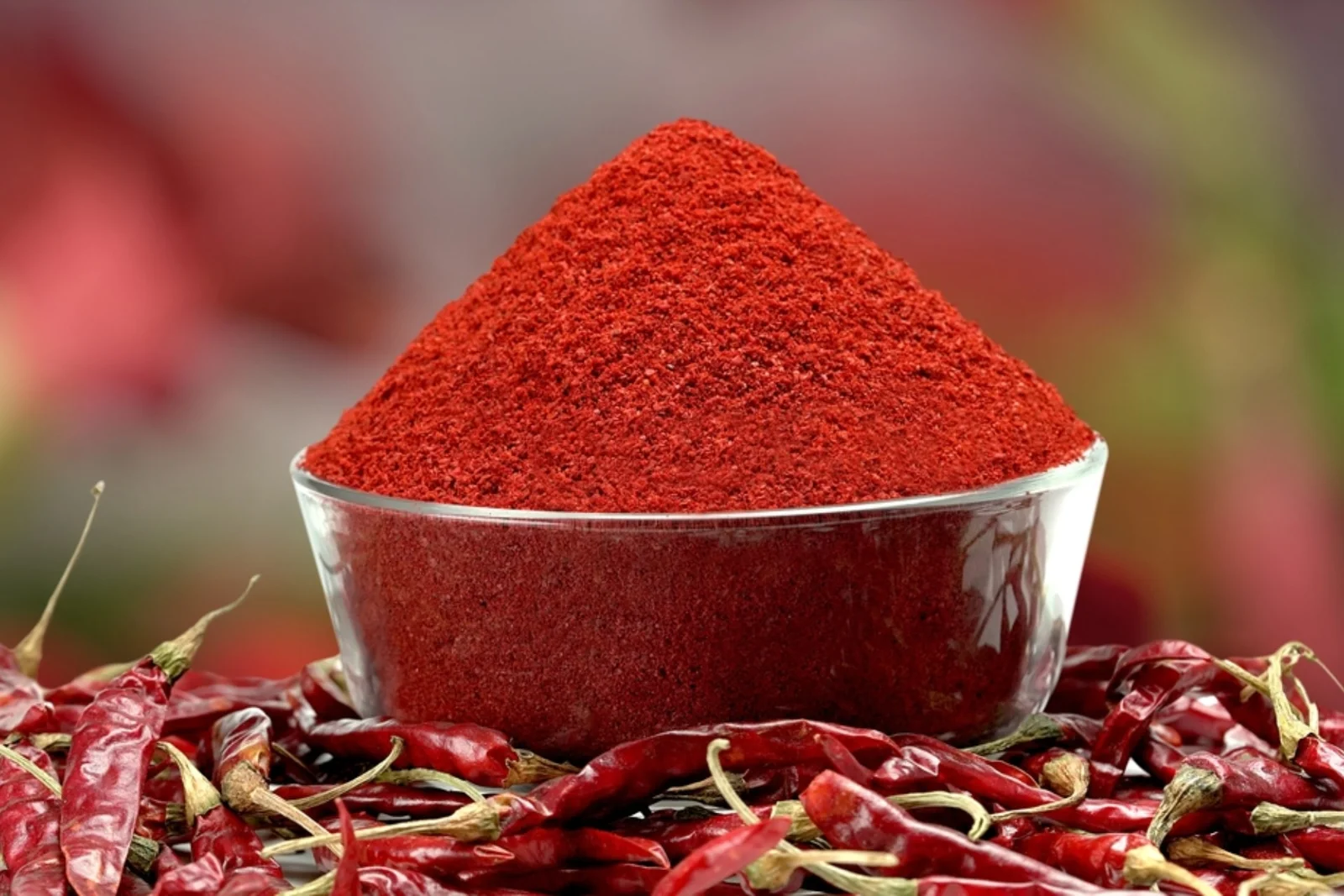
Red chilli powder is one of the most widely used powders in Indian kitchens. From curries and dals to snacks and chutneys, it infuses countless dishes with heat, flavor, and color. But many people ask: Is red chilli powder good for you? It’s not a clear yes or no. Like all foods, it’s good for you but can also be a bit bad depending on how much you take in (not to mention your overall health). In this article we will go through the health benefits, nutritional value for red chilli powder, possible side effects and how you can consume red chilli powder properly.
What Is Red Chilli Powder?
Red chilli powder is prepared by drying and grinding red chili peppers. Various varieties of chillies are used to make different kinds of chilli powder ranging from very mild to very hot. It actually has a compound called capsaicin that creates heat as well as many natural human-centered health benefits. Red chilli powder also contains a number of vitamins, minerals, and antioxidants contributing to better health, as well as some that are of taste.
The Nutritious Value of Red Chilli Powder
Although chilli powder is frequently consumed in small amounts, it still contains a number of essential nutrients. In the round, a teaspoon of spicy red chilli powder usually has:
Calories: Around 6 kcal
Vitamin A: For health of eyes and immune system
Vitamin C: To reinforce the immune system
Vitamin B6: Support of brain function
Iron: Assists with body transport of oxygen
Antioxidants: Keep cells from getting damaged
Red chilli powder is said to have some nutrients in it, so it is part of the reason why it should be consumed in moderation is beneficial.
Red Chilli Powder Benefits Health
Boosts Metabolism
One of the biggest benefits of red chilli powder is its metabolic boosting ingredient that is most famous is its metabolic effect. Capsaicin enhances your body’s ability to burn more calories through heat production — known as thermogenesis, or heat production — and it promotes the process of heat production, or the process of thermogenesis. This is one reason why chilli is frequently incorporated in weight management diets.
Supports Heart Health
Red chilli powder can help you be a better participant in better heart health in as many ways as you will want. Works to lower bad cholesterol (LDL). Improves blood circulation. Prevents blood clot formation. Combined with a healthy lifestyle, these factors can reduce the likelihood of heart problems being caused by the heart.
Rich in Antioxidants
Red chilli powder has potent antioxidants including:
Beta carotene
Vitamin C
Capsanthin
These compounds are beneficial in the battle against free radicals, which can cause cell damage, advance aging and even chronic diseases.
Improves Digestion
Contrary to popular belief, moderate amounts of chilli powder may actually aid digestion. It promotes digestive enzymes and helps with gut function. However, in excess it can irritate the lining of the stomach.
Helps in Pain Relief
Capsaicin is frequently added to pain relief creams and topical pain relief, as it modulates pain signals internally. Moderate amounts of regular dietary intake may also generate mild anti-inflammatory effects.
Supports Eye Health
Red chilli powder is a Vitamin A powerhouse that’s vital for good vision and good eyesight. It also is good for immune system function in a vitamin.
Does Red Chilli Powder Work for Weight Loss?
And what nutrition experts believe: “Chilli powder can help with weight loss for multiple reasons. It increases calorie burning. Reduces appetite. Improves fat metabolism. But it’s not a magic remedy. Overall and not only at least partly as a consequence of food change, but also exercise and lifestyle and diet, weight loss continues to focus on the large sum total diet, activities done and general health and lifestyle.
Possible Downgrades to Red Chilli Powder
Although red chilli powder is beneficial, taking in much of it can adversely affect your health.
Stomach Irritation
Excess consumption would lead to:
Acid reflux
Gastritis
Stomach pain
Burning sensation
Those with sensitive stomachs and ulcers should limit chilli intake.
Skin and Eye Irritation
Handling chilli powder can irritate skin or eyes due to capsaicin. Always wash your hands immediately after using it.
Digestive Issues
Too much chilli powder can result in:
Diarrhea
Bloating
Stomach cramps
Some moderation is necessary to avoid such problems.
Who to Avoid Red Chilli Powder?
Some people should consume chilli powder with caution, or avoid it altogether:
People with acid reflux or GERD
People with stomach ulcers
Those with irritable bowel syndrome (IBS)
People sensitive to spicy foods
You may feel uncomfortable after a spicy meal, so try to minimize.
How Much Red Chilli Powder Is Safe to Eat?
Most people feel safe with the recommended daily intake of just ½ to 1 teaspoon. Consuming more than this at regular intervals might bring about an increase in the risk of digestive irritation. It is key to keep a steady and even flow as much chilli powder is added to cooking at all times.
Leverage the advantages without the side effects:
Take chilli powder in moderation.
Mix with other spices such as turmeric and cumin.
Refrain from consuming very spicy food on an empty stomach.
Drink plenty of water to absorb the heat.
Following these can enable you to enjoy the flavor and health benefits without damaging your digestive path.
Conclusion
So is red chilli powder a great medicine? The answer is yes – but when taken in moderation. This makes it better for your heart and more healthy, which can result in several other health benefits too: good metabolism, cardiovascular health, antioxidant protection and better digestion. But the more you take, the more uncomfortable you get and it irritates you further. The most effective method is to consume red chilli powder as an additional, if not a main, dietary supplement to avoid overconsumption. This spice has lots of health benefits to it and without going overboard with it, if you keep a lot of moderation and listen to your body, you can taste this popular spice and have health benefits.


