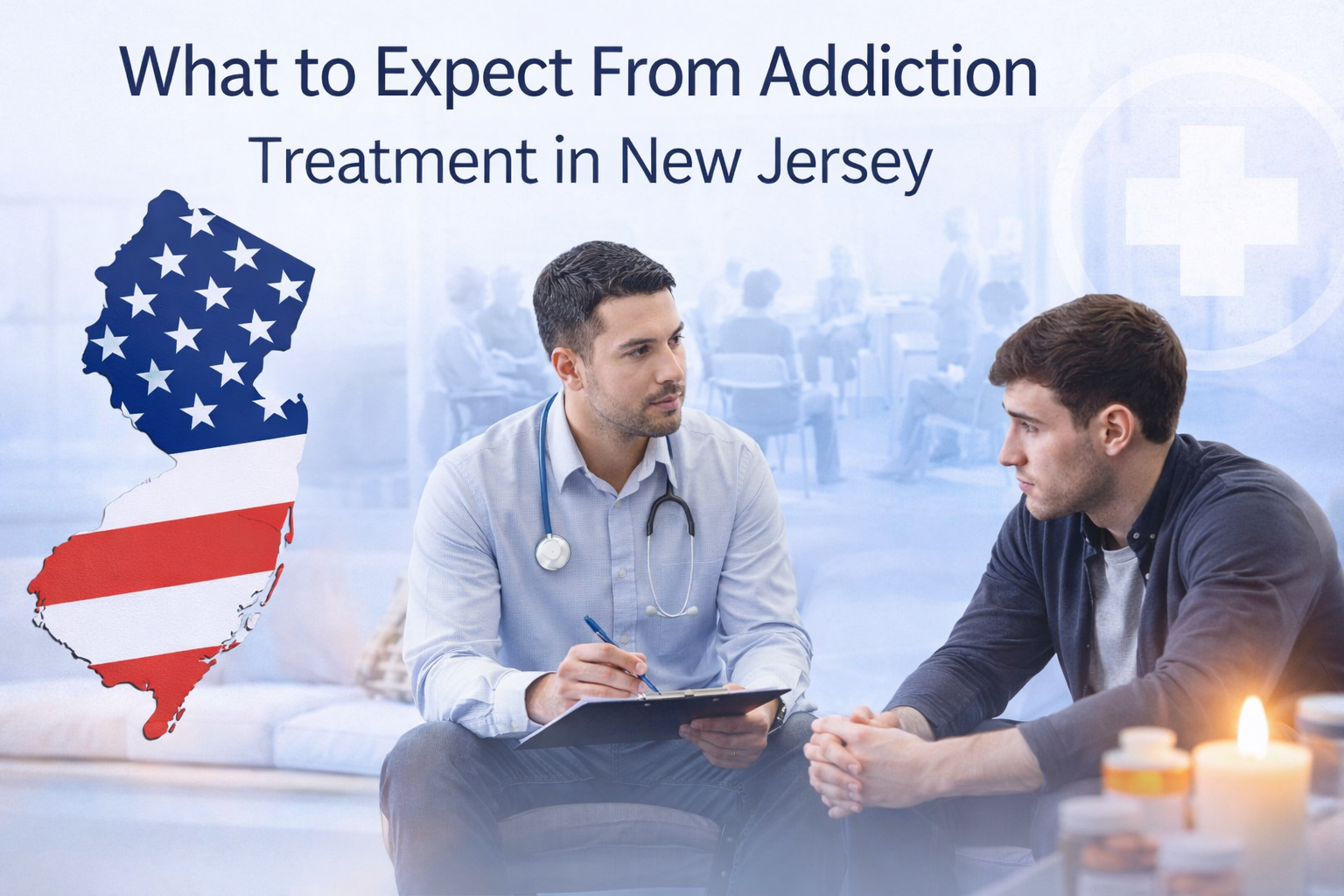
Addiction treatment in New Jersey can feel overwhelming when you are standing at the edge of recovery and trying to figure out what comes next.
I remember sitting in my car outside a clinic in central Jersey, gripping the steering wheel, wondering if walking through those doors would actually change anything.
That first moment matters because it is where uncertainty meets action.
Most people do not arrive confident or hopeful.
They arrive tired, frustrated, and unsure if help will work this time.
The good news is that recovery services across the state are built for people who feel exactly that way.
Understanding the First Phone Call or Intake Visit
The first step usually starts with a phone call or an online form.
That conversation is not an interrogation.
It is a practical discussion about what you are dealing with and what kind of help makes sense.
When I made my call, I expected judgment.
Instead, I was asked simple questions about substance use, health history, and daily life.
It felt more like someone finally listening rather than evaluating.
During intake, staff typically assess substance use patterns, mental health needs, and physical risks.
This assessment helps determine whether detox, outpatient care, or residential support is appropriate.
If you want a clear breakdown of what first-time patients usually experience, this guide on addiction treatment in New Jersey explains the early steps in a way that feels grounded and realistic.
Detox and Early Stabilization
Not everyone needs detox, but many people do.
Detox focuses on safely managing withdrawal symptoms under medical supervision.
I met a man during detox who said the hardest part was asking for help.
He told me the physical discomfort passed faster than he expected, but the relief of not doing it alone stayed with him.
Medical teams monitor vital signs, manage symptoms, and reduce risks.
This phase is about safety and stability, not long-term change yet.
Detox is a starting line, not the finish.
Choosing the Right Level of Care
After stabilization, treatment plans become more individualized.
Some people attend outpatient programs while continuing work or family responsibilities.
Others need inpatient or residential care for more structure and distance from triggers.
Outpatient care often includes scheduled therapy sessions, group counseling, and recovery education.
Residential programs provide round-the-clock support in a structured environment.
I chose outpatient care because I needed to stay connected to my family.
Another person in my group chose residential treatment because home felt too risky early on.
Both paths can work when they match real-life needs.
Therapy That Focuses on Real Life
Effective recovery programs focus on more than stopping substance use.
They address why substances became a coping tool in the first place.
Individual therapy often explores stress, trauma, anxiety, or depression.
Group therapy helps people realize they are not alone in their experiences.
One group session changed how I viewed relapse.
A counselor explained that setbacks are signals, not failures.
That reframing helped me stay engaged instead of giving up when things felt hard.
Cognitive behavioral approaches, trauma-informed care, and relapse prevention strategies are commonly used across the state.
Mental Health and Dual Diagnosis Support
Many people seeking help also struggle with anxiety, depression, or other mental health conditions.
Treating substance use without addressing mental health rarely works long term.
Integrated care allows both issues to be treated together.
Medication management may be included when appropriate.
I noticed the biggest shift when my anxiety was finally addressed alongside recovery.
Cravings became easier to manage once the underlying stress was treated.
Family Involvement and Support Systems
Recovery does not happen in isolation.
Many programs encourage family education or counseling when possible.
Families often carry confusion, fear, and resentment.
Education helps rebuild trust and set healthy boundaries.
A woman in my group said family sessions helped her parents understand that addiction was not a moral failure.
That understanding changed how they supported her recovery.
Life Skills and Long-Term Planning
Treatment is also about preparing for life after structured care.
Programs often include skills for managing stress, rebuilding routines, and handling triggers.
Employment support, time management, and communication skills are sometimes part of the process.
These tools matter more than people realize.
I learned how to plan my days intentionally instead of reacting emotionally.
That single skill reduced relapse risk more than any lecture ever could.
Aftercare and Ongoing Recovery
Leaving a program does not mean recovery ends.
Aftercare planning is a critical part of the process.
This may include ongoing therapy, peer support groups, or sober living environments.
Consistency matters more than intensity over time.
The people who stayed connected tended to do better than those who disappeared after discharge.
That pattern became clear very quickly.
What Makes Recovery Possible
Recovery works when care feels human, flexible, and realistic.
People succeed when they feel supported rather than controlled.
Addiction treatment in New Jersey offers a range of options because no two recovery stories are the same.
What matters most is taking the first step and staying open to guidance along the way.
I did not walk in believing it would work.
I walked in because I ran out of other options.
That turned out to be enough to start something better.
If you are standing where I once stood, unsure but willing, that first step can be the beginning of real change.


