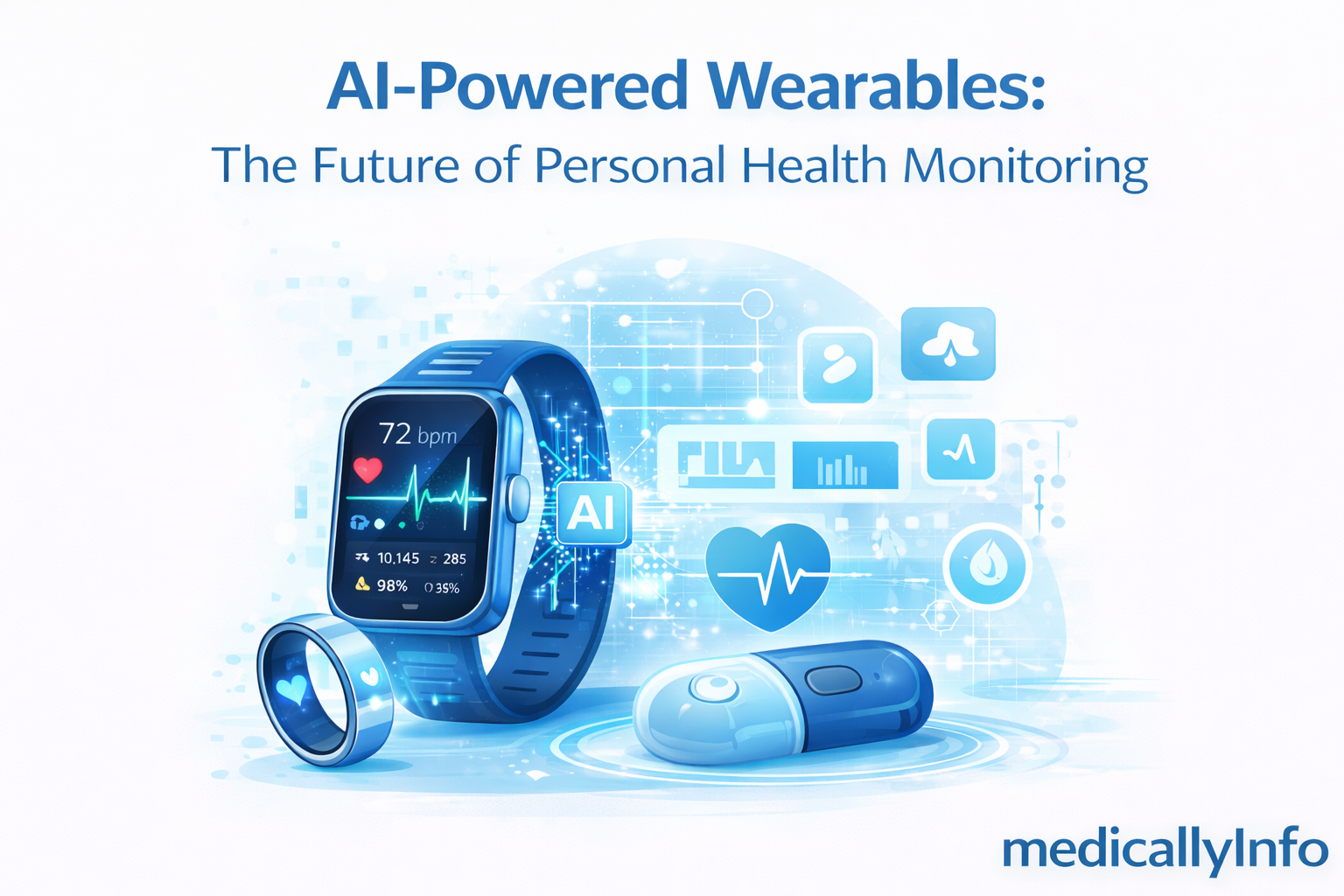
In recent years, wearable technology has evolved far beyond simple step counters. Today’s devices are smarter, faster, and increasingly capable of helping people understand their health in real time. The integration of artificial intelligence into wearable devices marks a major shift in personal healthcare, allowing individuals to track vital signs, detect potential health risks, and make more informed lifestyle choices.
As healthcare moves toward prevention rather than reaction, AI-powered wearables are becoming an important tool for both patients and medical professionals.
What Are AI-Powered Wearables?
AI-powered wearables are smart electronic devices designed to be worn on the body, such as watches, rings, fitness bands, or even smart clothing. Unlike traditional trackers, these devices use artificial intelligence to analyze large amounts of health data and generate meaningful insights.
Instead of simply reporting numbers like heart rate or steps taken, AI interprets patterns, identifies irregularities, and can even predict potential health concerns before symptoms become noticeable.
Common features include continuous heart rate monitoring, sleep analysis, blood oxygen tracking, stress detection, and activity measurement. Some advanced devices can also perform electrocardiogram (ECG) readings and detect irregular heart rhythms.
How Artificial Intelligence Enhances Wearable Technology
Artificial intelligence allows wearable devices to move from passive tracking to active health management. By processing data over time, AI can recognize what is normal for a specific user rather than relying only on general benchmarks.
For example, if a person’s resting heart rate suddenly rises or sleep quality declines over several nights, the device may flag this change as unusual. This personalized approach makes the feedback more useful and actionable.
AI also improves accuracy by filtering out noise in the data. Movements, environmental factors, and temporary fluctuations can affect readings, but intelligent algorithms help distinguish meaningful trends from random variations.
Another advantage is real-time feedback. Many devices now provide immediate alerts if something appears abnormal, encouraging users to seek medical advice sooner rather than later.

Key Benefits of AI Health Wearables
One of the biggest advantages of AI-powered wearables is continuous health monitoring. Traditional checkups provide only a snapshot of a person’s health, while wearable devices collect data around the clock. This ongoing stream of information can help identify early warning signs of conditions such as hypertension, sleep disorders, or cardiac issues.
Early detection plays a crucial role in improving outcomes. When health concerns are recognized sooner, treatment can begin earlier, often reducing the likelihood of serious complications.
Another important benefit is increased patient engagement. When people can see how their habits affect their health metrics, they often feel more motivated to adopt healthier behaviors. Seeing the direct impact of exercise, sleep, or stress management can reinforce positive routines.
AI wearables also support personalized health insights. Rather than offering generic recommendations, many devices suggest tailored actions based on individual data. This might include reminders to move after long periods of inactivity, guidance on improving sleep schedules, or stress-reduction techniques.
For individuals managing chronic illnesses such as diabetes or heart disease, wearable technology can provide an additional layer of support between medical appointments. Some healthcare providers are beginning to incorporate wearable data into treatment plans, helping them monitor patients remotely.
The Growing Role of Wearables in Preventive Healthcare
Healthcare systems worldwide are placing greater emphasis on prevention, and AI-powered wearables align closely with this goal. By highlighting risk factors early, these devices empower users to make adjustments before minor issues escalate.
For example, consistent sleep tracking may reveal patterns linked to fatigue or reduced productivity. Activity monitoring can encourage regular movement, which supports cardiovascular health. Stress tracking may help individuals recognize triggers and develop coping strategies.
Over time, this proactive approach may reduce hospital visits and healthcare costs while improving overall quality of life.
AI Wearables and Remote Patient Monitoring
Remote patient monitoring has gained momentum, particularly as telehealth services expand. Wearable devices allow healthcare professionals to observe patient data without requiring frequent in-person visits.
For older adults or individuals recovering from surgery, this capability can enhance safety and independence. Doctors may be able to detect concerning changes quickly and recommend interventions before emergencies arise.
This model also benefits people living in rural or underserved areas, where access to healthcare facilities may be limited.
Challenges and Risks to Consider
Despite their promise, AI-powered wearables are not without limitations. One of the primary concerns involves data privacy. These devices collect highly sensitive personal health information, making secure storage and responsible data handling essential.
Users should understand how their data is being used, whether it is shared with third parties, and what security measures are in place.
Accuracy is another consideration. While wearable technology continues to improve, it should not replace professional medical evaluation. False positives can cause unnecessary anxiety, while missed alerts may create a false sense of security.
Battery life and device reliability also matter. A wearable is only helpful if it is consistently worn and functioning properly.
Cost can present a barrier for some individuals, particularly as advanced models often come with higher price tags. However, as technology matures, prices may become more accessible.
Who Can Benefit Most from AI-Powered Wearables?
Although almost anyone interested in tracking their health can use wearable devices, certain groups may find them especially valuable.
Fitness enthusiasts often use them to optimize performance and recovery. Individuals with chronic conditions may benefit from closer monitoring. Older adults can gain reassurance through features such as fall detection or irregular heart rhythm alerts.
Busy professionals may use stress and sleep insights to maintain balance, while health-conscious individuals can better understand how daily habits influence long-term wellness.
The Future of AI in Personal Health Monitoring
The future of wearable technology looks increasingly sophisticated. Researchers are exploring devices capable of monitoring hydration levels, detecting infections, measuring blood glucose without needles, and even identifying mental health patterns.
As machine learning models become more advanced, predictions may grow more precise, helping users prevent illness rather than simply respond to it.
Integration with healthcare systems is also expected to expand. In time, wearable data could become a routine part of medical records, giving doctors a more complete picture of a patient’s health between visits.
Balancing Technology With Healthy Habits
While AI-powered wearables offer valuable insights, they work best when combined with mindful lifestyle choices. Regular exercise, balanced nutrition, quality sleep, and stress management remain the foundation of good health.
Technology should be viewed as a supportive tool rather than a replacement for professional care or healthy living.
Final Thoughts
AI-powered wearables are transforming the way people monitor and manage their health. By delivering personalized insights, encouraging preventive care, and supporting remote monitoring, these devices represent a meaningful step toward more proactive healthcare.
However, understanding their limitations is just as important as appreciating their benefits. When used thoughtfully and alongside medical guidance, AI wearables can help individuals stay more informed, engaged, and prepared to take control of their well-being.
As innovation continues, these smart devices are likely to play an even greater role in shaping the future of personal health monitoring.


