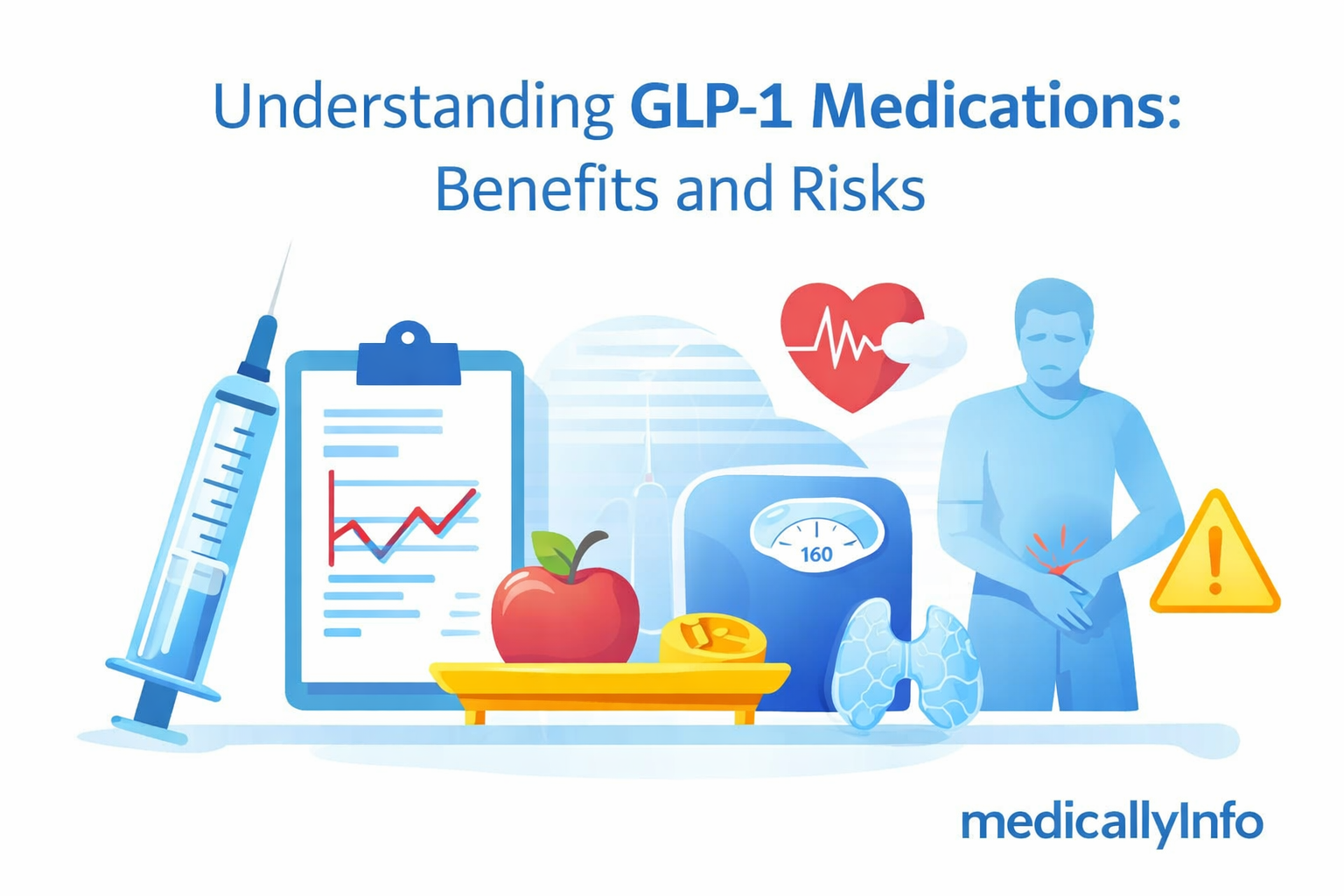
Over the past few years, GLP-1 medications have attracted widespread attention from healthcare providers and patients alike. Initially developed to improve blood sugar control in people with type 2 diabetes, these medications are now also recognized for their effectiveness in supporting weight management and overall metabolic health. While the results have been promising for many individuals, it is important to understand both the benefits and the potential risks before considering this treatment option.
What Are GLP-1 Medications?
GLP-1 stands for glucagon-like peptide-1, a hormone naturally produced in the intestines after eating. This hormone helps regulate blood sugar, slows digestion, and signals the brain when the body has had enough food. GLP-1 medications are designed to mimic the effects of this hormone, allowing the body to manage glucose levels more efficiently.
These medications are commonly prescribed to adults with type 2 diabetes who struggle to maintain stable blood sugar levels through diet, exercise, or other medications alone. In recent years, some GLP-1 drugs have also been approved for chronic weight management in individuals with obesity or those who are overweight with related health conditions such as high blood pressure or sleep apnea.
Most GLP-1 medications are administered through injections, either daily or weekly, although an oral option is now available for certain patients. The method of delivery typically depends on the specific drug and the patient’s medical needs.
How Do GLP-1 Medications Work?
GLP-1 receptor agonists work by targeting several important functions in the body simultaneously. This multi-action approach is one reason they have become increasingly popular among healthcare professionals.
First, these medications stimulate the pancreas to release insulin when blood sugar levels rise. Unlike some older diabetes treatments, this process is glucose-dependent, meaning it activates primarily when needed and lowers the risk of blood sugar dropping too low.
Second, GLP-1 drugs reduce the amount of sugar produced by the liver. When the liver releases too much glucose into the bloodstream, it can worsen diabetes control. By limiting this process, the medications help maintain healthier levels.
Another important function is slowing stomach emptying. Food remains in the stomach longer, which helps people feel full sooner and reduces the likelihood of overeating. This effect contributes significantly to weight loss experienced by many patients.
Additionally, GLP-1 medications interact with appetite centers in the brain. Many individuals report fewer cravings and a natural reduction in portion sizes without feeling excessively restricted.
Key Benefits of GLP-1 Medications
One of the primary reasons doctors prescribe GLP-1 medications is their strong ability to improve blood sugar control. Studies have shown that many patients experience a noticeable reduction in A1C levels, a measurement that reflects average blood sugar over the previous two to three months. Better glucose control lowers the risk of long-term complications such as nerve damage, kidney disease, and vision problems.
Weight loss is another major advantage. Unlike fad diets that often produce short-term results, GLP-1 medications support gradual and sustainable weight reduction. Patients frequently notice decreased hunger, improved control over emotional eating, and greater satisfaction after meals. Even modest weight loss can lead to meaningful improvements in overall health.
Some GLP-1 medications have also demonstrated cardiovascular benefits. Research suggests they may reduce the risk of serious heart-related events such as heart attack and stroke, particularly in adults with existing cardiovascular disease. For patients managing multiple health risks, this added protection can be especially valuable.
Beyond physical health, improved metabolic function often leads to higher energy levels and better quality of life. When blood sugar remains stable and weight begins to decrease, daily activities may feel less exhausting.
Potential Risks and Side Effects
Despite their benefits, GLP-1 medications are not suitable for everyone. Like all prescription drugs, they can cause side effects, particularly during the early stages of treatment while the body adjusts.
The most commonly reported side effects involve the digestive system. Nausea is especially frequent when starting the medication but often improves over time. Some individuals also experience vomiting, diarrhea, constipation, or abdominal discomfort. Eating smaller meals and avoiding heavy, high-fat foods may help reduce these symptoms.
In rare cases, more serious complications can occur. Some studies have linked GLP-1 drugs to inflammation of the pancreas, known as pancreatitis. Symptoms such as severe abdominal pain that does not go away should be evaluated immediately by a medical professional.
There have also been concerns about possible thyroid tumors observed in animal studies, although the relevance to humans is still being researched. As a precaution, these medications are typically not recommended for individuals with a personal or family history of certain thyroid cancers.
Another consideration is gallbladder-related issues, including gallstones, which may develop as rapid weight loss occurs.
Because these medications influence appetite so strongly, some patients may unintentionally eat too little, potentially leading to nutrient deficiencies if meals are not balanced.
Who Should Consider GLP-1 Medications?
GLP-1 medications are generally recommended for adults with type 2 diabetes who need additional support managing blood sugar. They may also be appropriate for individuals with obesity, particularly when excess weight is contributing to other health problems.
However, these medications are not typically used for type 1 diabetes or as a cosmetic weight-loss solution. A full medical evaluation is necessary to determine whether the benefits outweigh the risks for each individual.
Healthcare providers usually consider several factors before prescribing GLP-1 drugs, including current health status, existing medications, weight history, and overall treatment goals.
Important Questions to Discuss With a Doctor
Before starting a GLP-1 medication, patients may benefit from asking a few key questions:
- What results can I realistically expect?
- How long will it take to notice improvements?
- What side effects should I watch for?
- How does this medication interact with my current prescriptions?
- Will I need to take it long term?
Open communication helps ensure safer treatment and better outcomes.
Lifestyle Still Matters
Although GLP-1 medications can be highly effective, they are not a substitute for healthy habits. Balanced nutrition, regular physical activity, adequate sleep, and stress management remain essential components of metabolic health.
Patients who combine medication with sustainable lifestyle changes often see the most lasting results.
The Growing Role of GLP-1 Medications in Modern Healthcare
The rising interest in GLP-1 drugs reflects a broader shift toward treatments that address multiple aspects of health at once. By improving blood sugar control, supporting weight loss, and potentially protecting heart health, these medications represent an important advancement in chronic disease management.
At the same time, ongoing research continues to evaluate their long-term safety and explore new therapeutic uses.
Final Thoughts
GLP-1 medications have transformed the treatment landscape for type 2 diabetes and weight management, offering hope to many individuals who have struggled with traditional approaches. Their ability to target several metabolic processes simultaneously makes them a powerful tool when prescribed appropriately.
However, no medication is without risk. Understanding both the advantages and possible side effects allows patients to make informed decisions in partnership with their healthcare providers. With proper guidance and a commitment to overall wellness, GLP-1 medications may play a valuable role in improving long-term health outcomes.